
Cylindrical vs Tubular Locks: What’s the Difference and Which One Should You Choose?
When choosing a lock for your door, the design may look simple from the outside, but the mechanism inside can make a big difference in durability, security, installation, and everyday use.
Two terms you may encounter when shopping for door hardware are cylindrical locks and tubular locks. Although they can look very similar once installed, they differ in construction and are often suited to different applications.
Understanding these differences can help you choose the right lock for your home, office, rental property, or commercial space.
What Is a Cylindrical Lock?
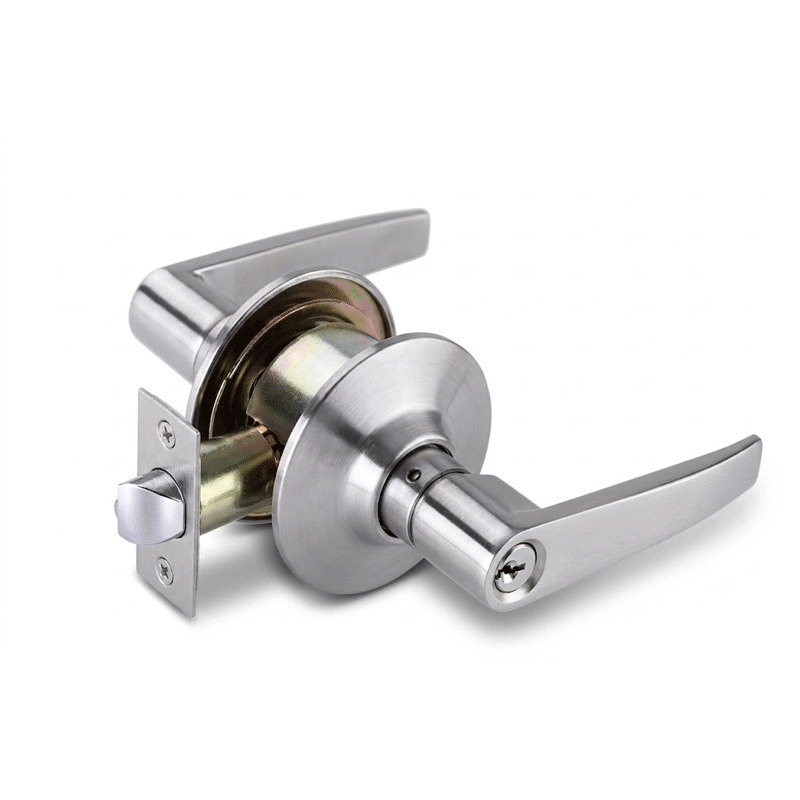
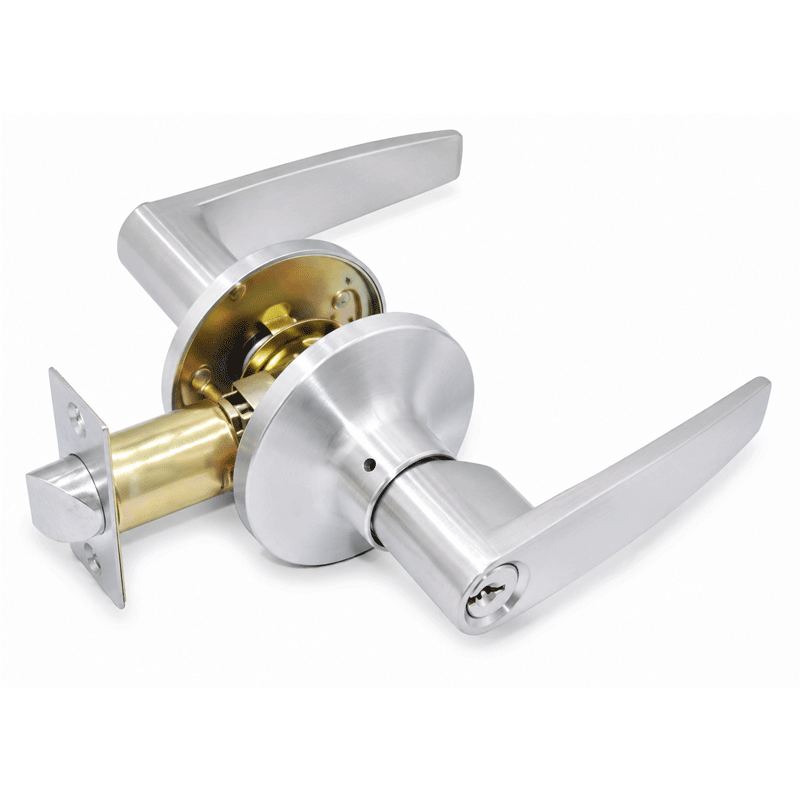
A cylindrical lock is a common type of door lockset in which the main locking mechanism is installed through a round hole bored into the door.
Common Applications
Cylindrical locks are commonly installed on:
- Main interior doors
- Bedrooms
- Offices
- Storage rooms
- Commercial spaces
- Doors that require keyed access
Depending on the model, cylindrical locks can provide different functions such as passage, privacy, entrance, or storeroom locking.
What Is a Tubular Lock?
A tubular lockset generally uses a tubular-style latch mechanism installed through the edge of the door and operated by a knob or lever.
It is frequently found in residential applications because of its relatively simple design and straightforward installation.
Common Applications
Tubular locks are often used for:
- Bedroom doors
- Bathroom doors
- Closets
- Interior residential doors
- Light-duty applications
They are especially practical for areas that do not require the same level of security as a building entrance or restricted office.
Cylindrical vs Tubular Locks
While both types can perform similar everyday functions, their construction and intended applications can differ.
1. Lock Construction
Cylindrical Lock:
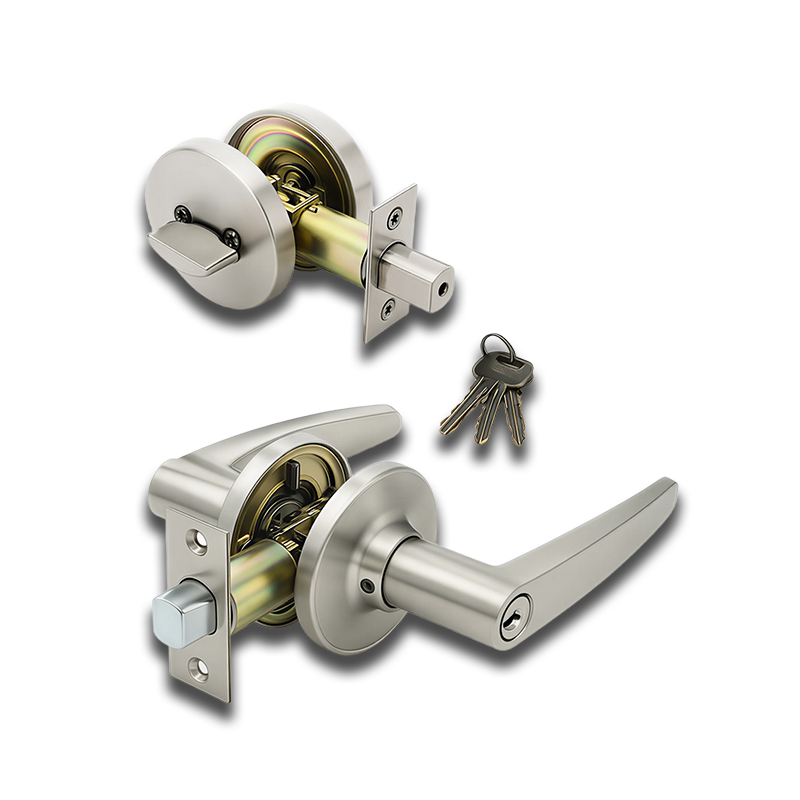
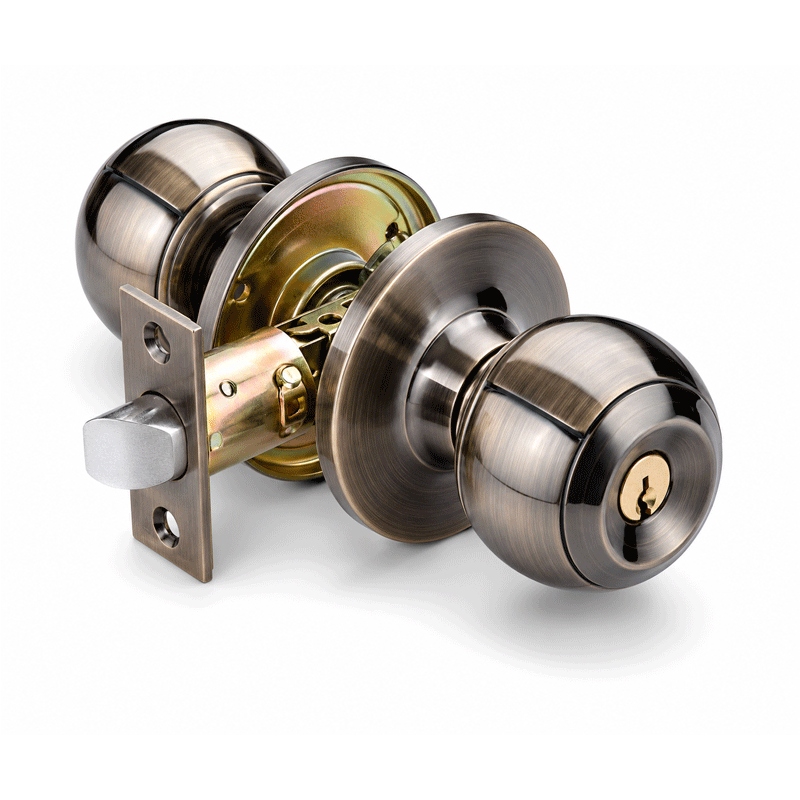
The locking mechanism is built into a cylindrical chassis installed through the face of the door. The lockset integrates the handle, spindle, latch, and locking components.
Tubular Lock:
The system typically uses a simpler tubular latch assembly operated by the knob or lever.
Because of its more integrated construction, a cylindrical lock is often preferred when durability and frequent operation are important.
2. Security
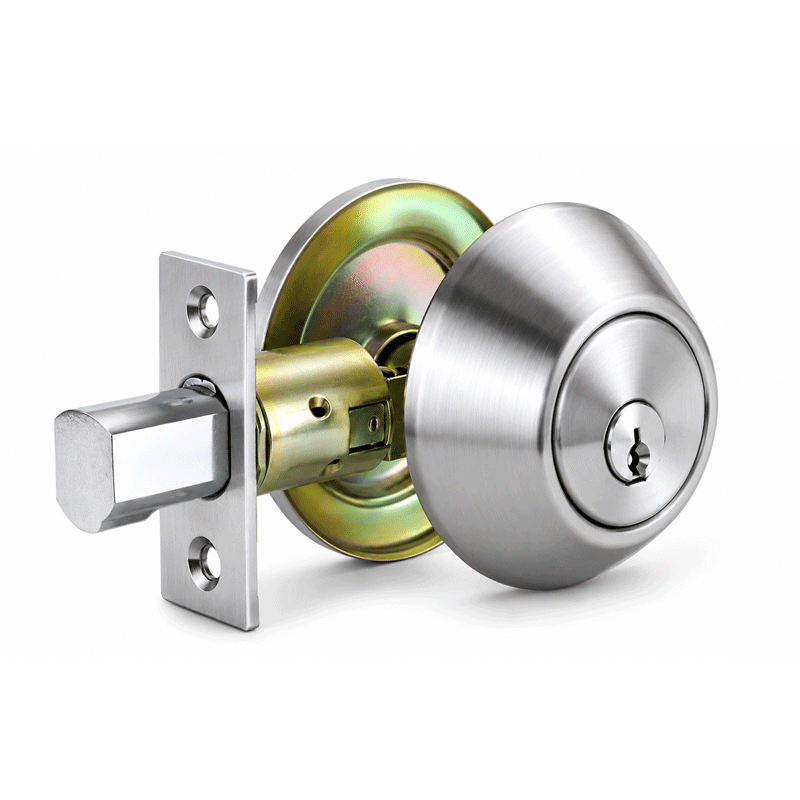
When comparing similar-quality products, cylindrical locks are commonly chosen for applications requiring a stronger or more substantial locking mechanism.
Tubular locksets are generally suitable for standard residential interior doors and areas requiring basic privacy or access control.
However, security ultimately depends on several factors, including:
- Lock quality
- Materials
- Door construction
- Strike plate
- Installation
- Lock grade and specifications
A high-quality lock that is properly installed will always perform better than a poorly manufactured or incorrectly installed lock.
3. Durability
Cylindrical locks are commonly designed for repeated operation, making them suitable for doors that are frequently opened and closed.
This makes them a practical choice for:
- Offices
- Commercial establishments
- Apartment units
- Frequently used rooms
Tubular locks are well suited to normal residential use where door traffic is generally lower.
4. Installation
Both lock types are designed for relatively straightforward installation compared with more complicated locking systems such as mortise locks.
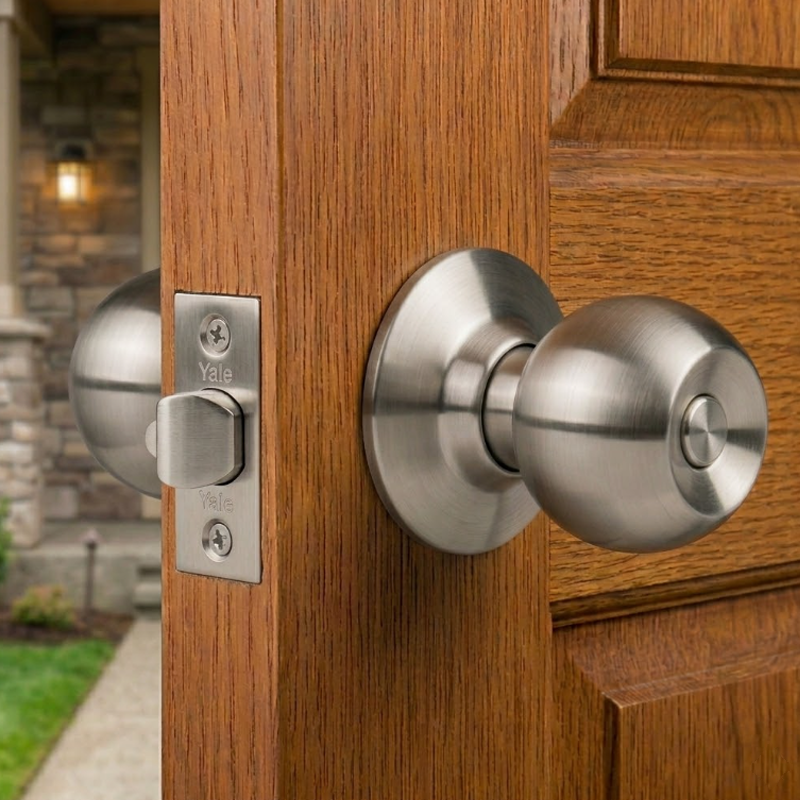
Tubular locksets are often selected for residential projects because their mechanism is simple and familiar to installers.
Cylindrical locks also use standard bored-door preparation, although correct measurements for the backset, door thickness, latch, and strike plate remain important.
5. Price
Tubular locksets are often available as economical solutions for residential interior doors.
Cylindrical locks may cost more depending on their:
- Construction
- Materials
- Security features
- Finish
- Brand
- Lock function
- Commercial or residential rating
Rather than choosing based only on price, consider how frequently the door will be used and how much security it requires.
Quick Comparison
| Feature | Cylindrical Lock | Tubular Lock |
|---|---|---|
| Construction | Integrated cylindrical lock mechanism | Simpler tubular latch mechanism |
| Security | Generally suitable for higher-security applications | Suitable for basic residential access and privacy |
| Durability | Good for frequent use | Good for standard residential use |
| Installation | Relatively easy | Relatively easy |
| Common Use | Residential, office and light commercial | Mainly residential and interior doors |
| Cost | Varies from standard to higher-end | Often more economical |
| Best For | Entrances and frequently used doors | Bedrooms, bathrooms and interior doors |
Final Thoughts
Both cylindrical and tubular locks can be excellent choices when used in the right application.
For interior residential areas where simple operation and affordability are priorities, a tubular lock may be enough. For doors that experience heavier use or require a more substantial locking mechanism, a cylindrical lock is often the better option.
The most important thing is to match the lock to the door, location, traffic level, and security requirement rather than choosing based on appearance alone.
Investing in the right door hardware helps improve not only security, but also convenience, durability, and the overall performance of your doors.
Available at the following branches:
- Worldwide Tile Depot – Cor. V. Mapa Tionko Ave., Davao City
- Worldwide Tile Depot – A.S. Fortuna Street, Mandaue City
- Worldwide Home Depot – N. Bacalso Avenue, Cebu City
- Worldwide Home Depot – Tangasan Valladolid Carcar, Cebu City
Click here to shop now and follow us on Facebook for the latest news, updates, and special offers!
